
The primary distinction between PU foam and EPE foam is that PU is used primarily as a mattress made of huge blocks. However, EPE foam is mainly used in packaging because of its shock-proofing characteristic. Both are light-weighted; however, they are utilized for various purposes due to the distinctive features they have in common. PU foam is believed to be among the most popular kinds of mattress foam. Some denote PU foam as polyfoam. It is typically more bouncy and springy than other mattress foam. It can come with various types of exterior appearances based on the material it is made from. EPE foam is a term used to describe Expanded Polyethylene composed of polyethene.
PU foam vs EPE foam
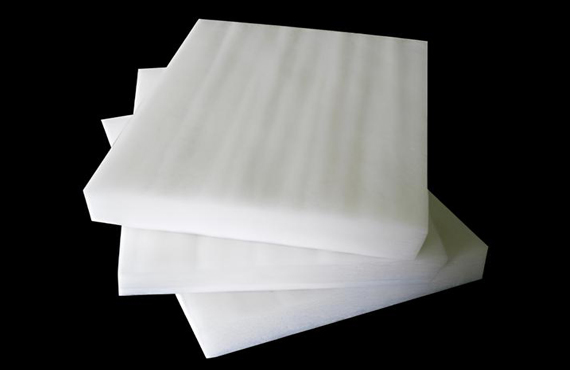
EPE foam is a semi-rigid, closed-cell foam capable of absorbing vibration and shock waves. EPE foam is utilized in gym equipment, packaging mats, etc. The material used to make EPE foam is referred to in the industry as expanded pellets. EPE foam is one of the typical types of plastic foam made into various things for household use. The EPE is considered a thermoplastic material that melts at high temperatures. It can be formed into different shapes, such as sheets, tubes, foam or sheets. Thus, it is called plastic, which is free of smell or odour. EPE foam is highly flexible and light. Because of this reason, it’s extensively used in packaging. Because it provides more excellent protection to fragile and delicate objects by monitoring the impact of shocks. EPE foam also is resistant to heat. EPE foam is recyclable very quickly through melting. EPE foam is water-proof and oil resistant, which makes it an excellent insulation material. The density and weight of EPE foam will vary based on several variables. EPE foam is available in pure white; therefore, it can be moulded into any colour by mixing dyes or colours. The colours are added to the EPE foam in the process of melting. The techniques employed to make EPE foam are cutting, laminating, forming, and trimming. Since it’s recycled, EPE foam is considered eco-friendly.EPE foam is one of the typical types of plastic foam made into various things for household use. The EPE is considered a thermoplastic material that melts at high temperatures. It can be formed into different shapes, such as sheets, tubes, foam or sheets. Thus, it is called plastic, which is free of smell or odour. EPE foam is highly flexible and light. Because of this reason, it’s extensively used in packaging. Because it provides more excellent protection to fragile and delicate objects by monitoring the impact of shocks. EPE foam also is resistant to heat. EPE foam is recyclable very quickly through melting. EPE foam is water-proof and oil resistant, which makes it an excellent insulation material. The density and weight of EPE foam will vary based on several variables. EPE foam is available in pure white; therefore, it can be moulded into any colour by mixing dyes or colours. The colours are added to the EPE foam in the process of melting. The techniques employed to make EPE foam are cutting, laminating, forming, and trimming. Since it’s recycled, EPE foam is considered eco-friendly.
Main Differences Between PU Foam and EPE Foam
- PU foam is typically purchased in huge blocks, which means it’s costlier than EPE. In contrast, EPE foam is bought in smaller blocks, so it doesn’t require much money.
- When someone wants to measure the weight of two foams, PU foam wins the race because it is heavier. However, EPE foam is lighter than PU foam.
- Due to its shape, PU foam is typically utilized to create mattresses. In contrast, EPE foam is used to generate sofa cushions.
- In terms of colours, PU foam offers an array of colours to provide its users. In contrast, EPE foam is available in white colour, and it’s only available in white.
- PU foam is also referred to as Polyurethane due to its manufacturing process. However, EPE foam is also called Polyethylene.
